First Lego League - More Than Robots
Welcome to the exciting world of FIRST LEGO League! First Lego League is a global STEM program for children (ages 4–16, depending on division) that uses hands-on LEGO robotics to build skills in engineering, coding. FLL includes 4 main aspects - innovation project, robot game, robot design, and core values. There are different levels of the FLL tournament. Regionals, districts, states, and then worlds. Teams will have to advance from one level to move on to the next.
Robot Game
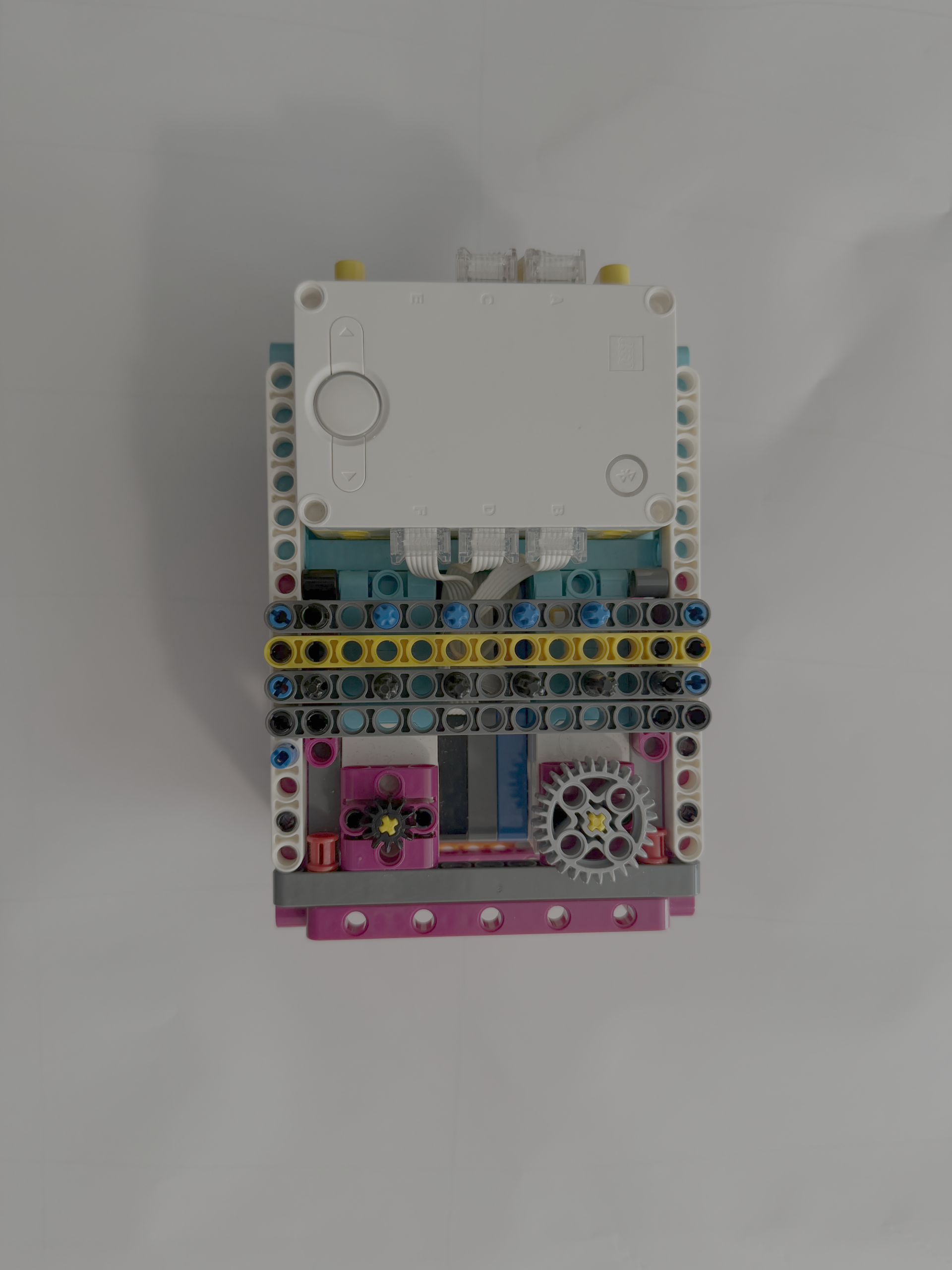
FLL teams will need to build and program a robot using a LEGO Education robotics kit. The goal is for the robot to complete as many missions on the Challenge field as possible to earn points. This years theme is Unearthed (archaeology), so there will be an archaeological themed mat, with themed missions. Your Challenge Class Pack will include all of this, so all you need to do is work with your team and build everything. On the day of the tournament, each team will compete in three rounds with a 2:30 minute time limit. Each of the missions have a different point value, so teams will have to be strategic about their mission strategy. In addition to the actual mission solving, there will be a quick equipment inspection before the game. Teams must remember to show gracious professionalism throughout their performance. This counts for 25% of the entire competition.
*Picture is our robot*

Robot Design
Before the robot can solve the robot game missions, you have to build and program it. Teams must collect ideas for the construction of the robot and create several concepts for the robot's base and attachments, as well as plan and build several prototypes to try out different ideas and then implement the best ideas for the actual robot.
Teams will have to present both their innovation project, and robot design in front of judges. You will have 5 minutes to present your robot design. Withing that time limit, teams must convey what they want to the judges. Judges love to learn about the construction process or to find out what you are most proud of in the robot and if there are parts that need improvement. After your robot design presentations, judges will have time to ask you questions that they have - so teams must be prepared to answer. This counts for 25% of your performance.

Innovation Project
Every year First Lego League has a different theme. This years theme is "Unearthed" or archaeology. Teams must research the topic, identify a specific problem, and find existing solutions. After researching, they have to develop an original or improved solution and create a prototype to demonstrate it. After creating their solution, they must share the solution with others, such as professionals in the field, and improve it based on their feedback. Remember to make sure that your solution creates a positive impact for who or what your problem affects.
During judging time, teams will get 5 minutes to present their innovation project. They must show their research as well as demonstrate their solution. Ensure that your presentation is engaging, innovative, and showing all of your skills. You can get super creative with your presentations - maybe even do a skit! This counts for 25% of your scoring. Presentations in total count for 50%.
*Picture is a diagram of our solution*
Core Values and Team Roles
Throughout this entire process, ensure that you and your team are portraying and following core values. The 6 core values are discovery, innovation, impact, inclusion, teamwork, and fun. Respecting each other and accepting differences, discovering new talents and ideas, working creatively and persistently, applying and improving what you have learned, working together and having fun at work are among the core values of FIRST LEGO League Challenge and make a good team. These core values are especially important on competition day - be nice to your team as well as others!
Part of embracing core values is identifying your teammates strengths and weaknesses. Every team member shines in their own way - and it's important to recognize these differences. One way to differentiate skills are team roles, where everyone experiences being a leader in a certain area. There are many different team roles, and you can change it based on your team's skills. A few examples are team captain, coder, builder, etc. Although there are team roles, part of your evaluation is making sure all team members contribute to ALL parts of the process. Team roles have made a huge impact on our team, and we definitely recommend using them!

*Us presenting to another team*

Awards and Competition Day
Depending on where you live and what competition you get selected to compete at, it can either be a 1 day or 2 day competition. If it's a 1 day competition, all of the team's judging happens first, then robot game, and then finally, awards. During anytime in the day opening ceremony will happen. If it's a 2 day competition, on the first day there will be judging and opening ceremony, and on the second day robot game and award ceremony. You will be able to set up your tri-folds for others to see.
There are many different awards presented to a variety of teams. Some awards focus specifically on the different categories of the FLL